A Serialized Novel — Est. 2026
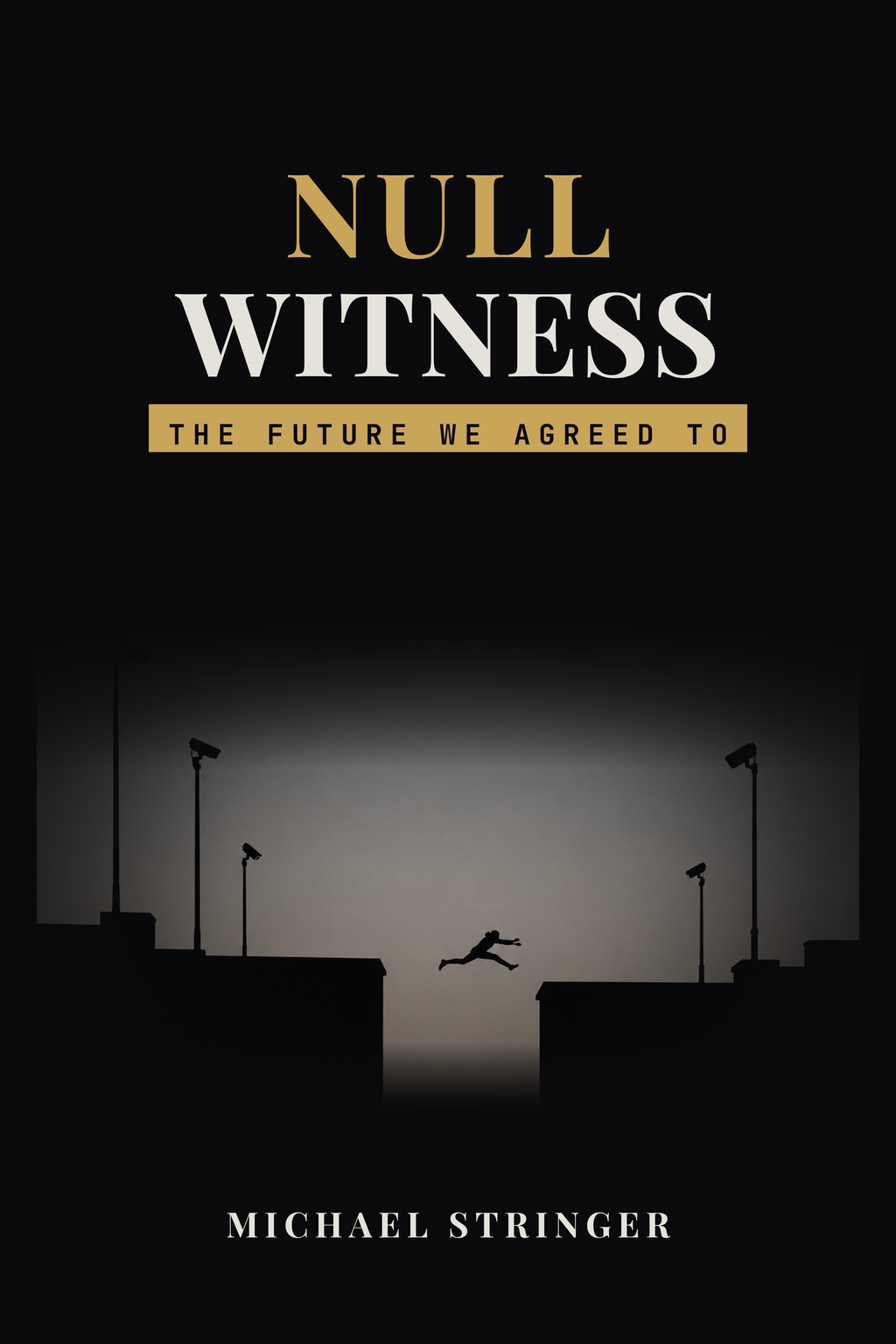
Null Witness
A cyberpunk thriller set in the surveillance state we already agreed to.
Los Angeles · 2035 · One month after everything
My name is Cade Voss. I'm twenty-four years old, and a little over a month ago I was the least remarkable person in any room I walked into. — Cade Voss · Null Witness, Prologue
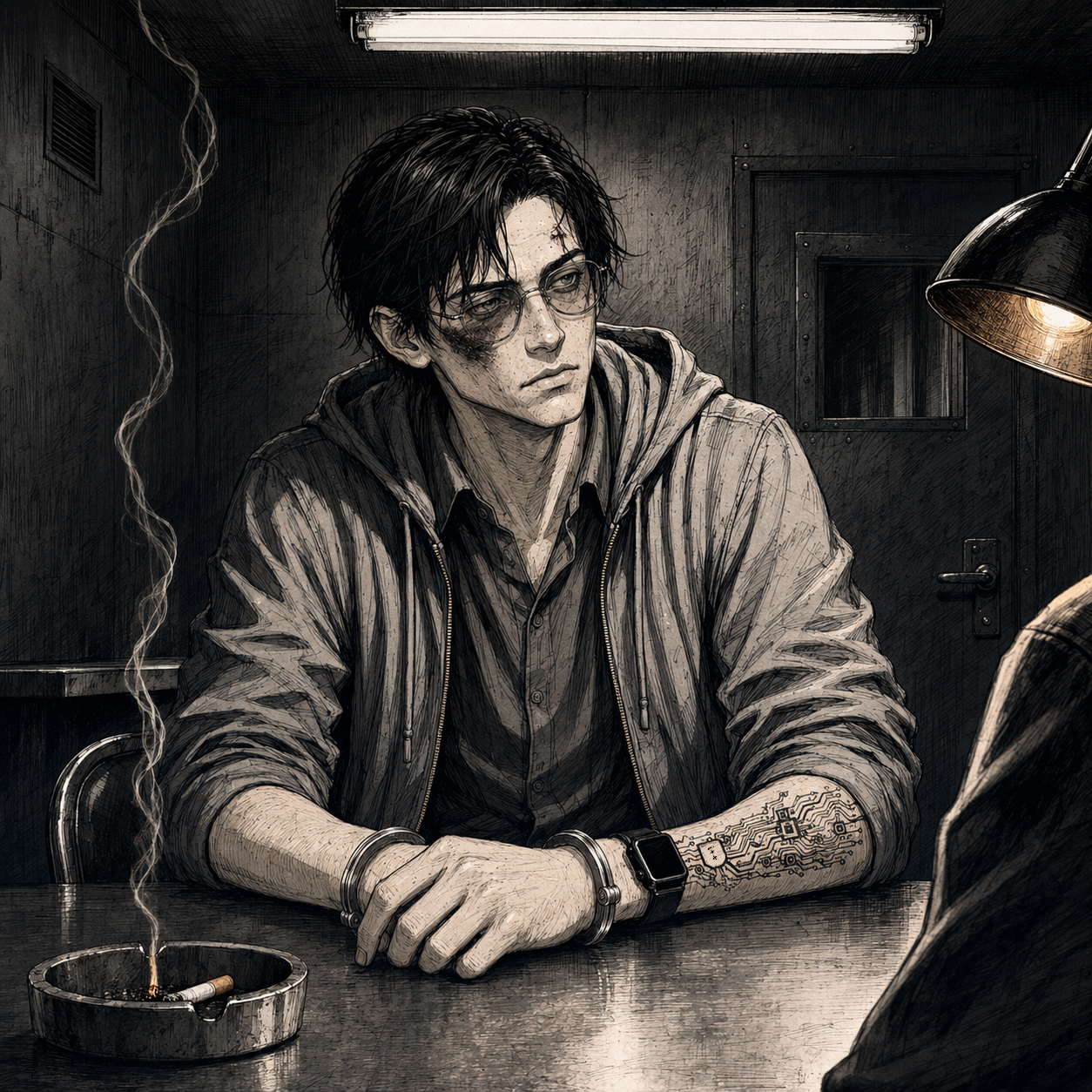
There's a lamp on the floor behind me with a shattered bulb, and my wrists are cuffed to a metal table, and I have three separate bruises in various stages of healing that together represent a fairly accurate timeline of the past five weeks.
read more…
My name is Cade Voss. I am twenty-four years old, and a little over a month ago I was the least remarkable person in any room I walked into. Student at a technical university in Santa Monica. Wrote code for money. Kept to myself. By every measurable standard, not the kind of person who ends up in a federal building's worth of fluorescent lighting, being asked questions by people who have already decided what they think the answers are.
The same people who hide behind badges that represent the government who allowed AI to creep into the fabric of society deeply enough to set it on fire when the AI bubble popped 8 years ago and subsequently deleted nearly every file, database, and piece of infrastructure our nation was built on for the past 30 years.
What remains of Los Angeles and the US at large in 2035 is hardly a shadow of what it was. Now it feels less like a home. More like a zoo with a thousand eyes pointed at you from every direction everywhere you go.
Sorry. I'm getting off topic—
I saw a problem I couldn't leave alone. I want to be precise about this: it was not a moment of weakness. It was a characteristic. I saw a problem, I evaluated it, I decided I was the right person to go after it, and I went after it. The problem was interesting. The problem was technically legitimate, more or less. The problem was pointed at me with enough specificity that I should have asked who was doing the pointing.
I didn't ask.
What I built during those weeks — I understood it as one thing. It was another thing. Not a project. A weapon. The distance between those two things is most of what's in the file in front of you.
The people who got caught in the radius of it didn't ask to be there. The woman in the apartment below mine. The people at the bench I'd been treating as a second office. The man on 4th Street who had been telling me, for longer than I listened, that he wasn't equipped for whatever this was becoming. None of them signed any paperwork. All of them ended up in the system anyway, because the system I had my hands on doesn't ask before it enrolls you. It watches. It files what it watches — analyzes. Then it labels it. That label is what decides your whole life.
What I found, what I understood, what was done with it and what I did with that — it's a longer story than this room has patience for, and I'm going to tell you the whole thing once, in order, starting from where it started.
May, 2035. Los Angeles. A little over a month ago. A decision that looked, from every angle I could see at the time, exactly like the kind of break I'd been waiting for.
It wasn't.
The whole book, in graphic-novel noir.
Every chapter in one visual language, each with a line to catch you. Drag, swipe, or use the arrows — tap any card to start reading.
Prologue
I'm not going to convince you I'm innocent. I doubt I could.
Read the prologue →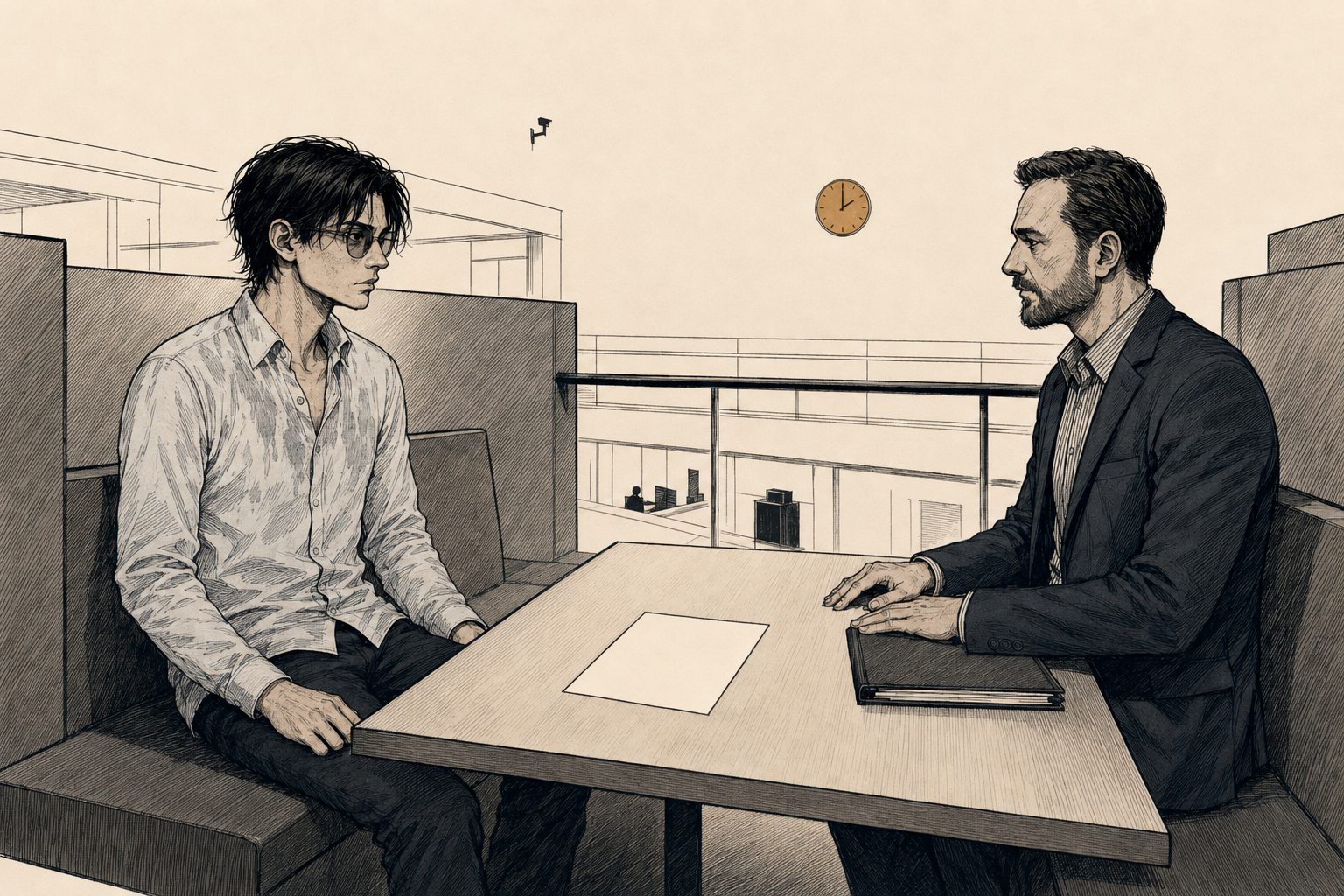
Trust
You can make the most secure lock in the world and someone will leave the door open.
Read 0.1 →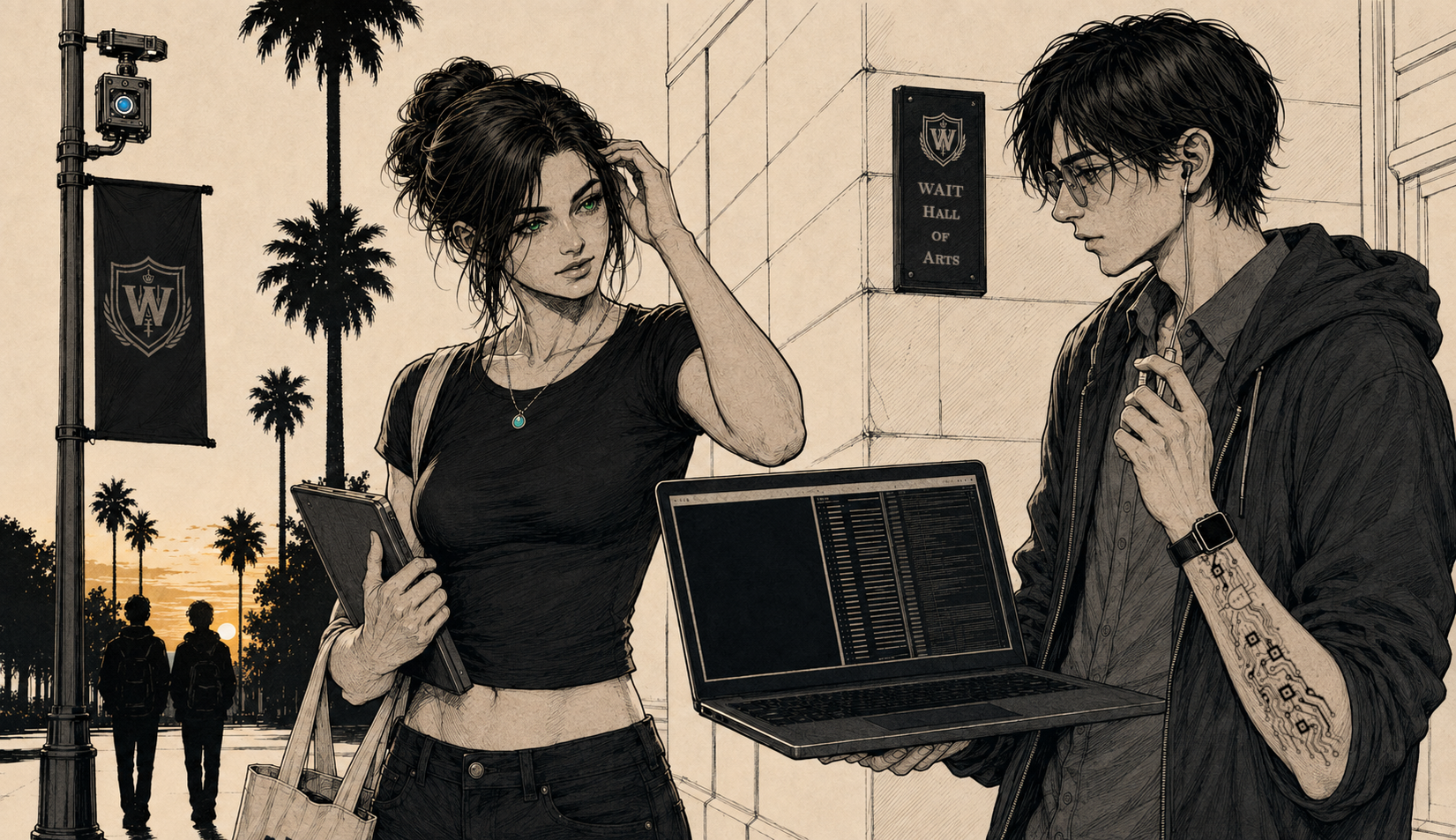
Side Hustle
Whatever gets built, they keep it.
Read 0.2 →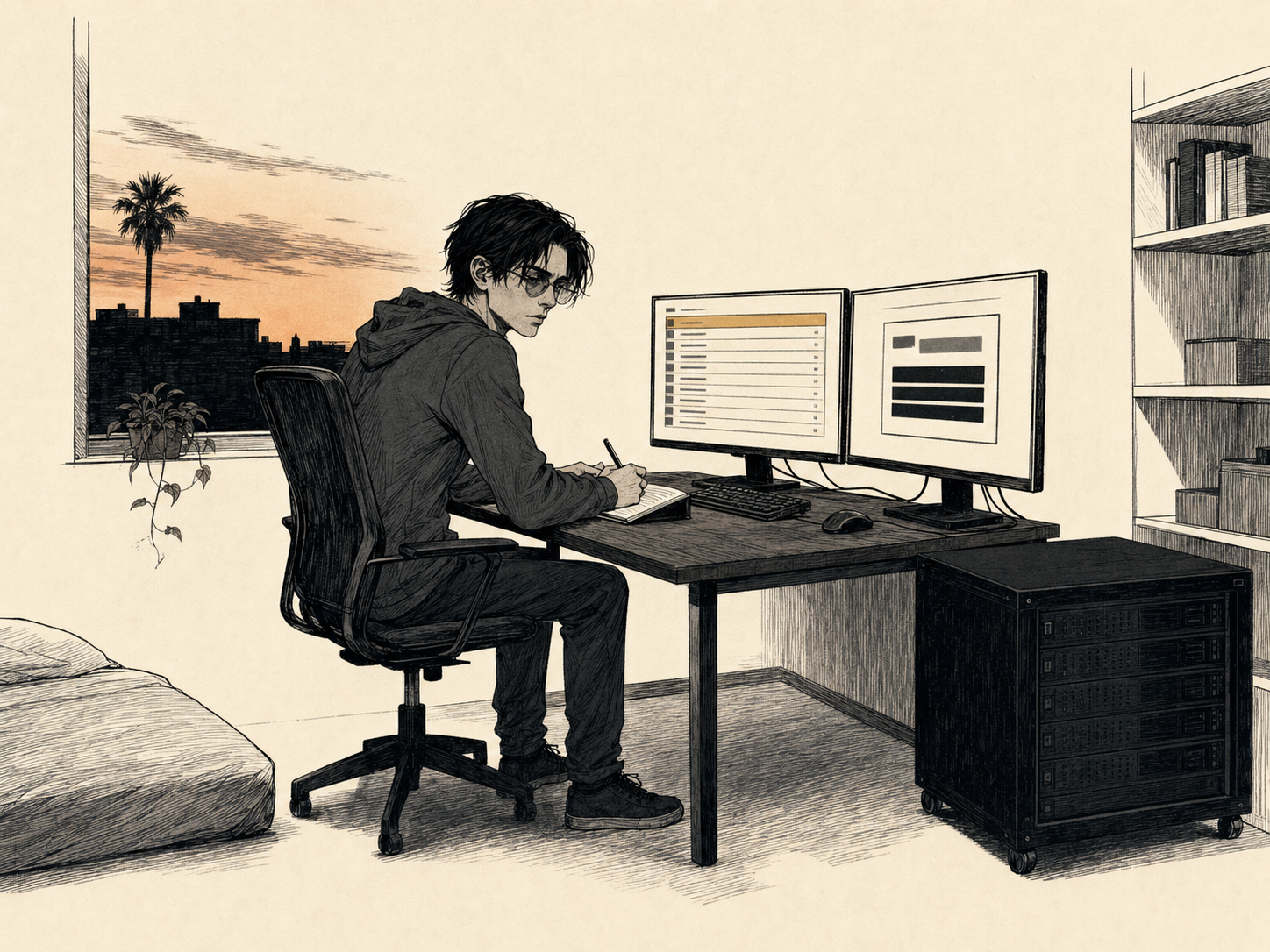
The Contest
Someone built the maze first and then opened the door.
Read 0.3 →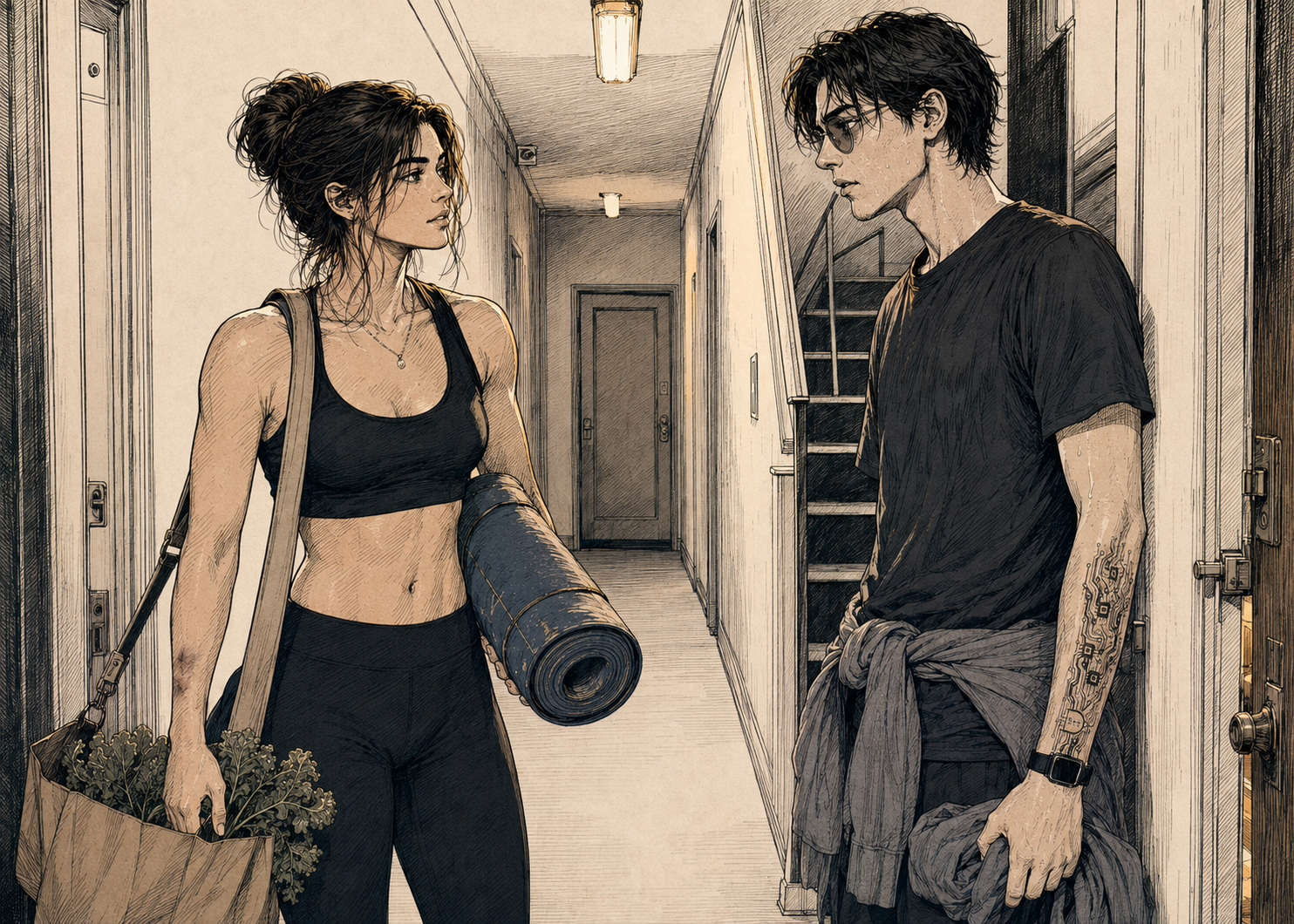
Foothold
He uses the word careful the way other people use the word dangerous.
Read 0.4 →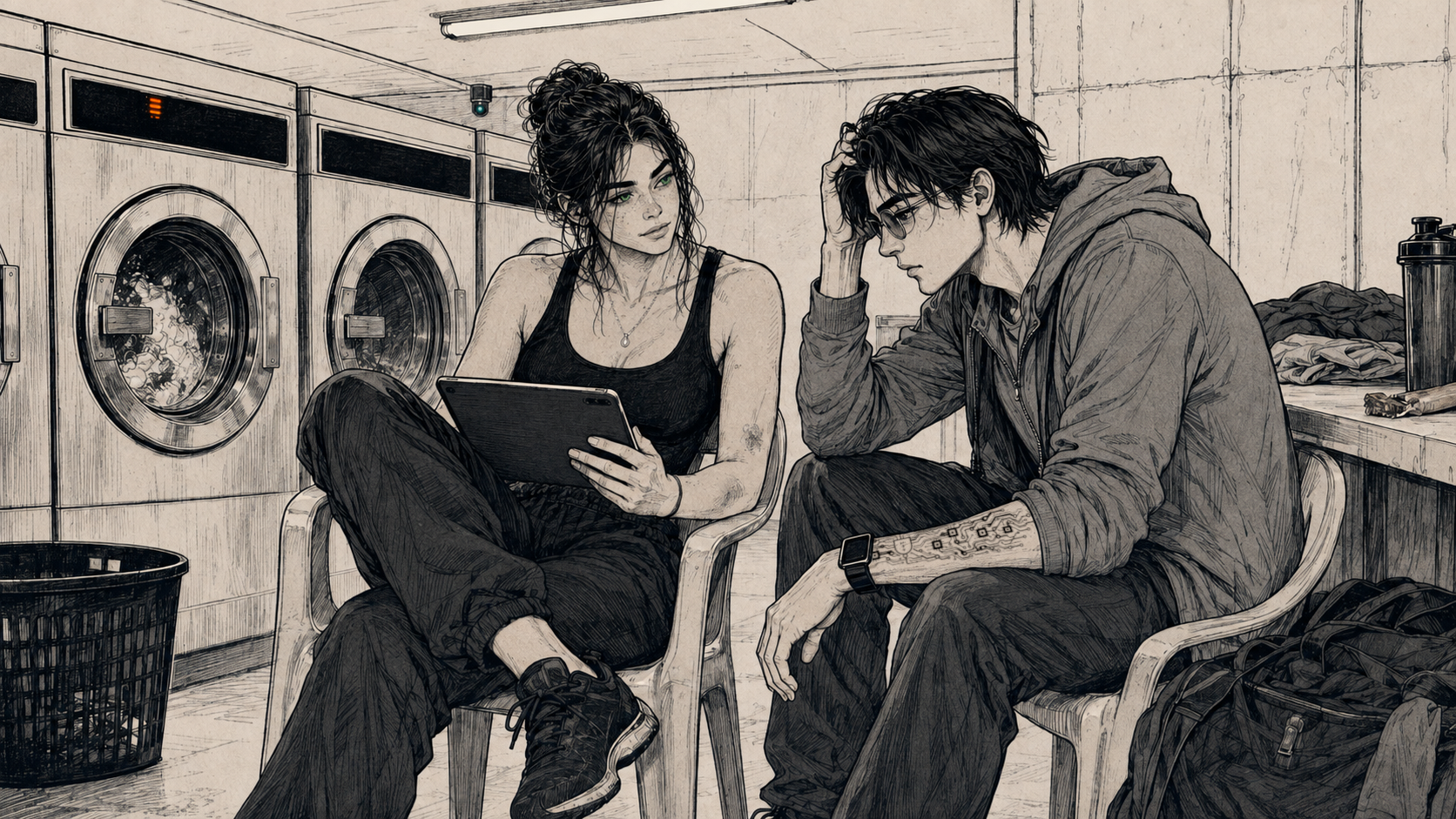
Below Threshold
It collects the shape of a life and mistakes the shape for the life.
Read 0.5 →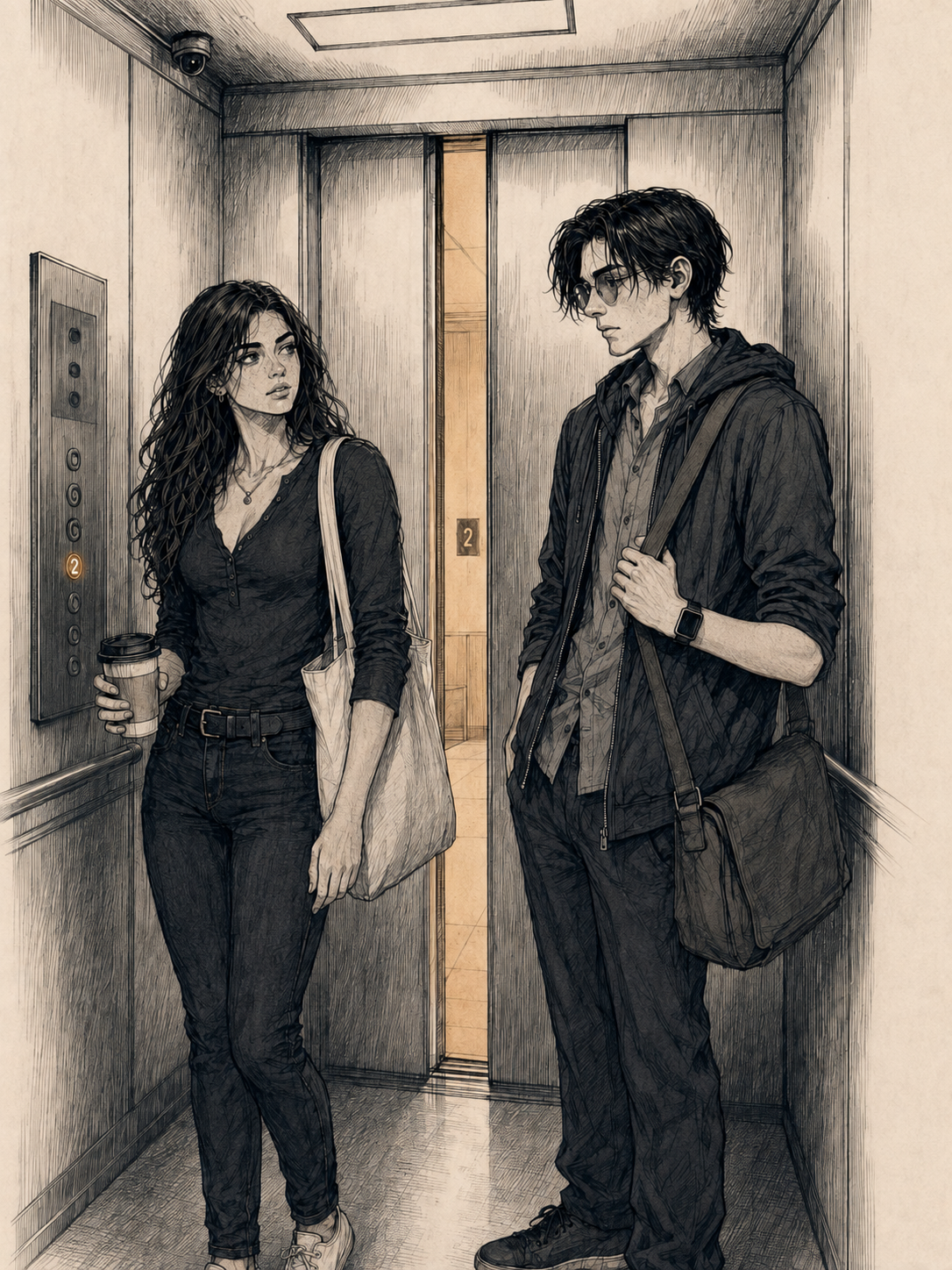
Surface Area
I have made worse mistakes. But few of them felt this good going in.
Read 0.6 →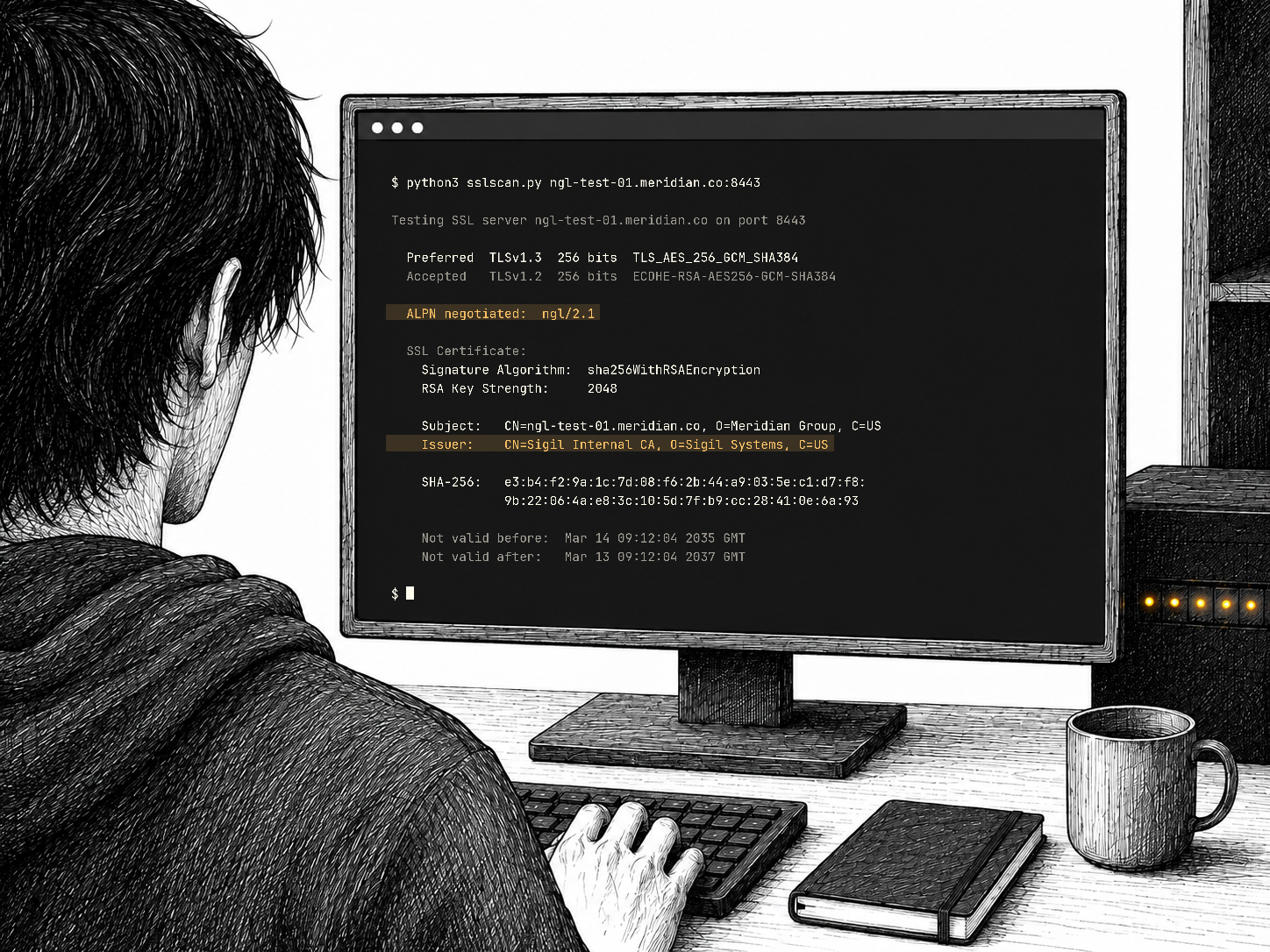
Architecture
The question mark did not get answered. It got heavier.
Read 0.7 →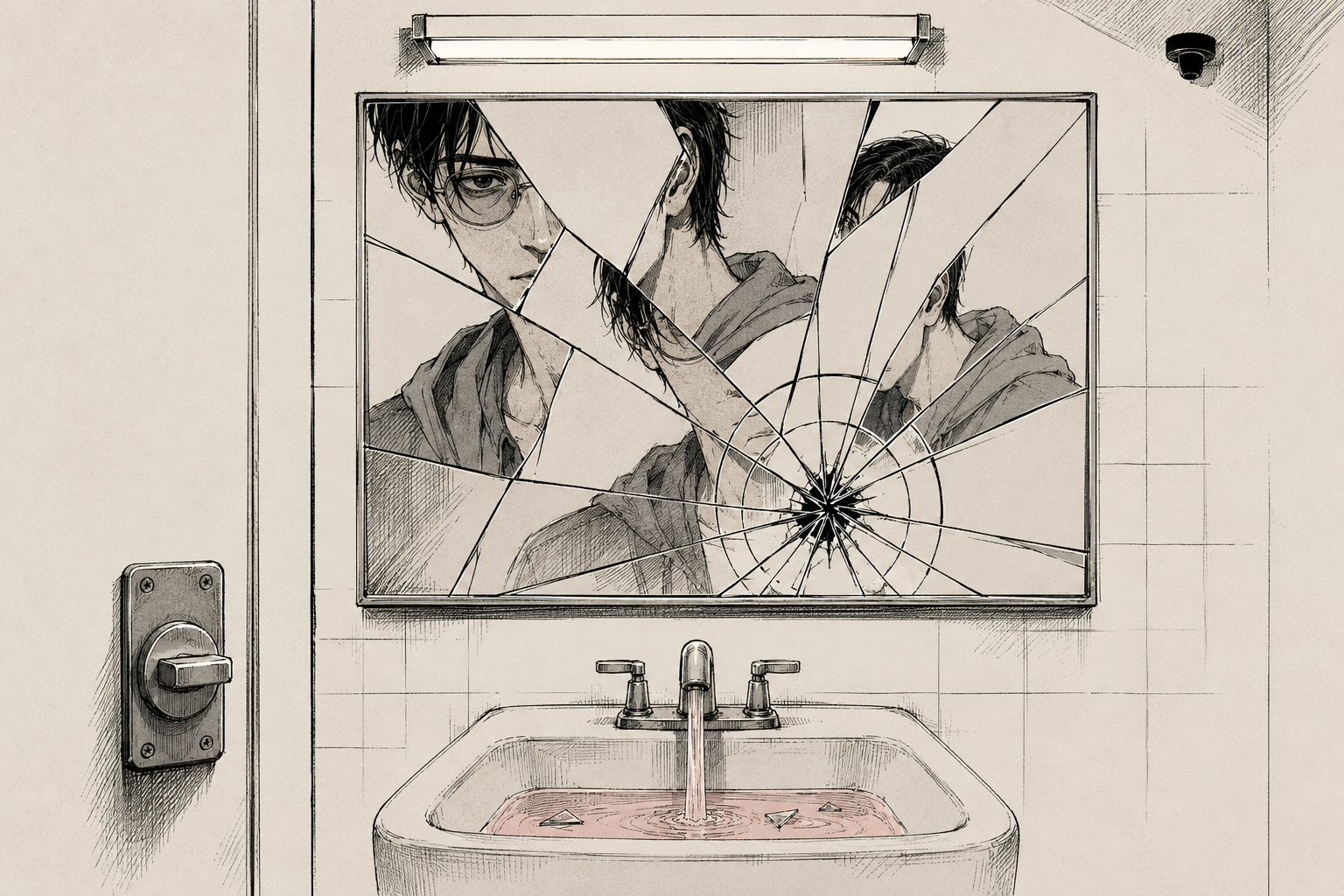
Burn Rate
The rage was the easy part. The rage had somewhere to go.
Read 0.8 →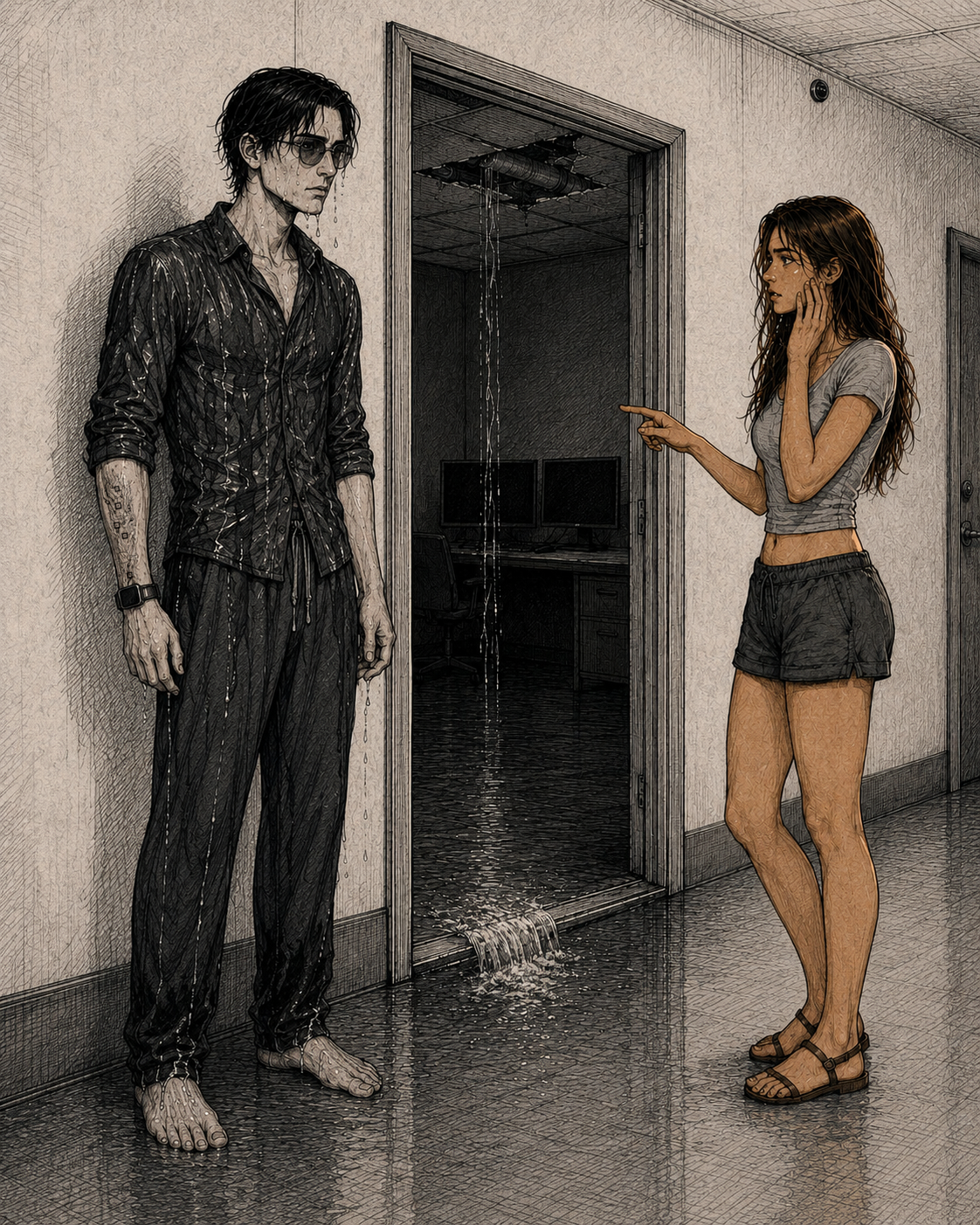
Pressure
The record has never been more precisely inaccurate.
Read 0.9 →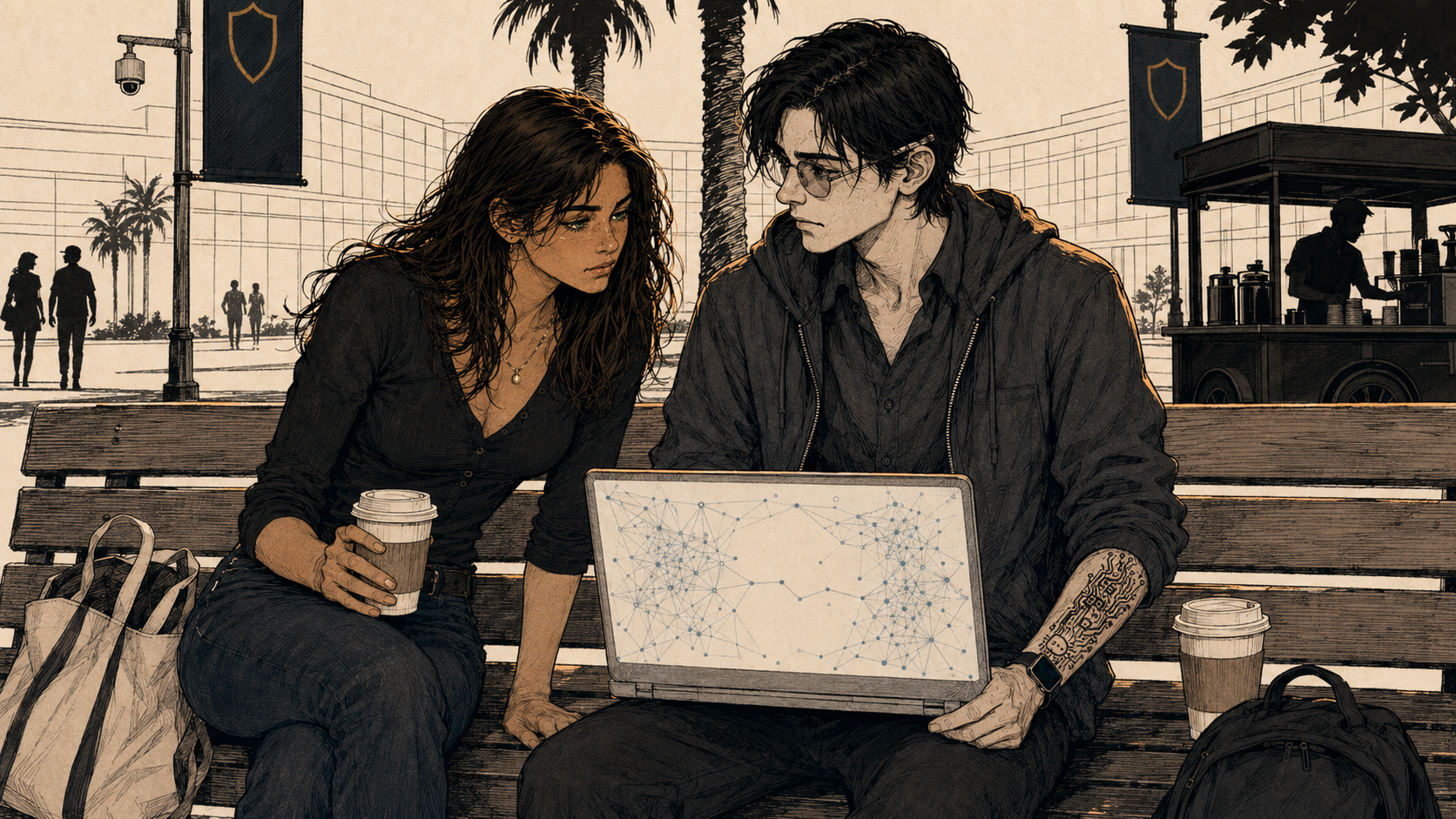
Fingerprints
You keep breaking every model I build of you.
Read 0.10 →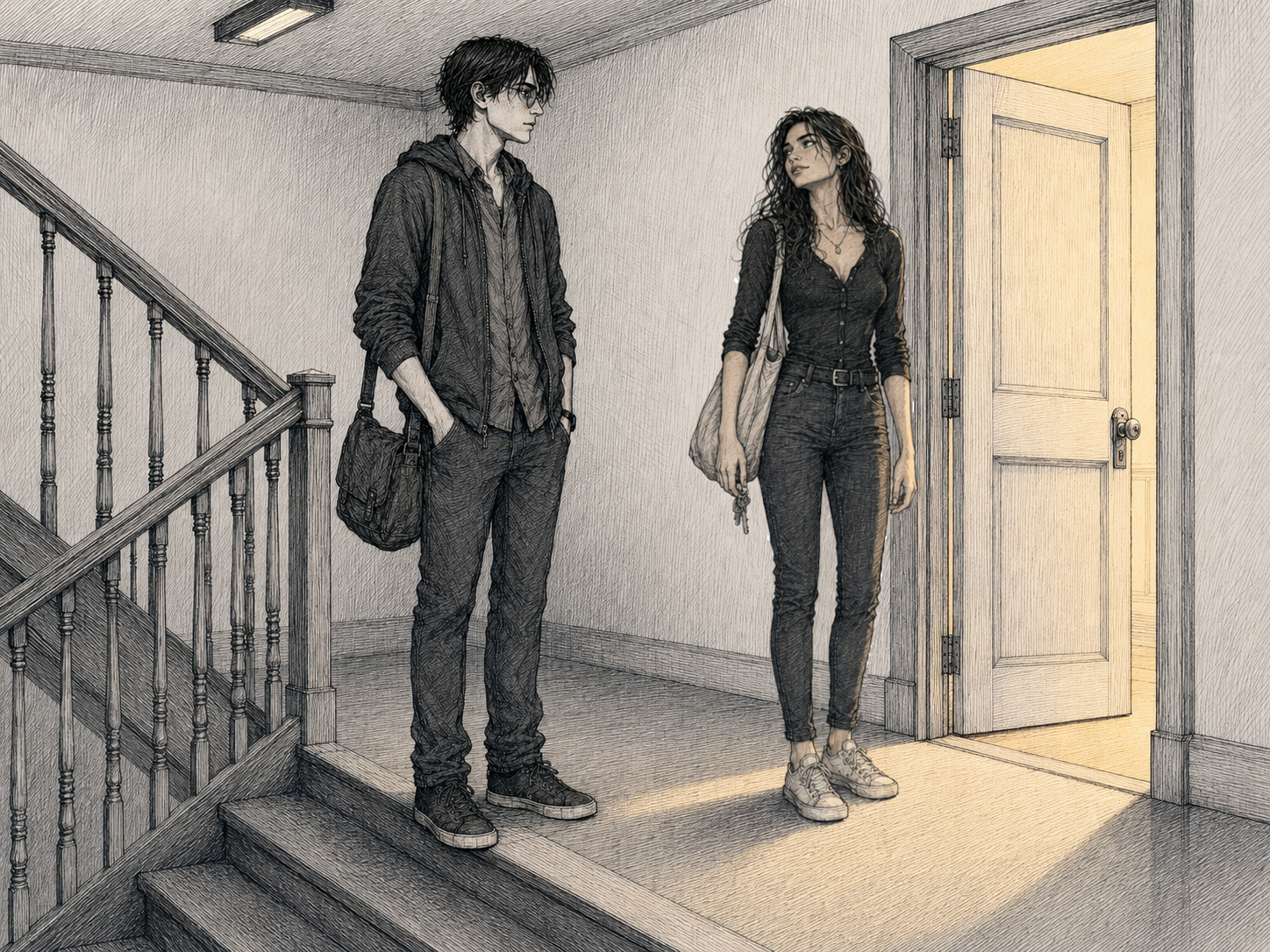
Run Forever
Sleep debt is not a loan you can pay back later. Some of what you spend, you spend.
Read 0.11 →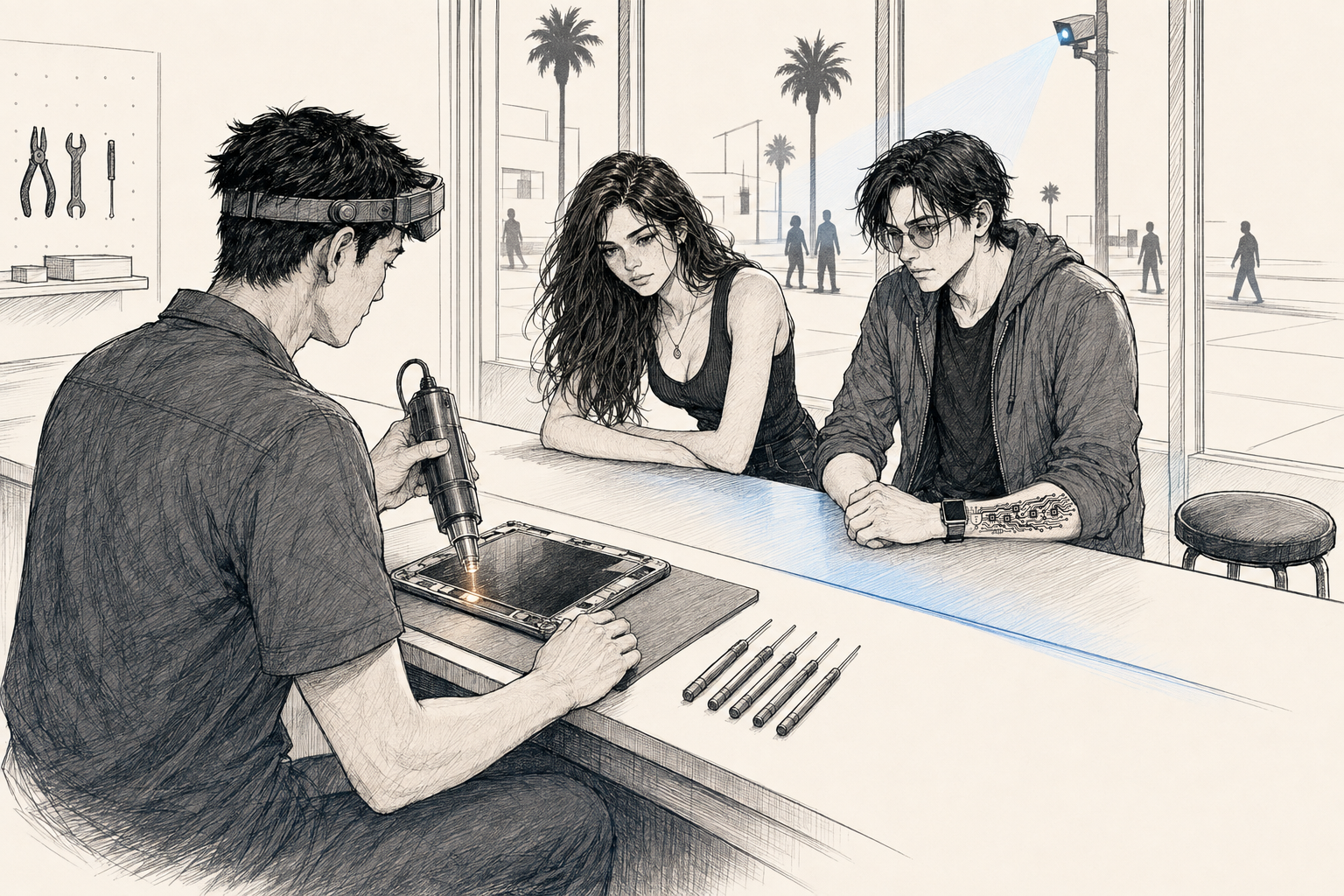
The Repair
Everything outside the frame was still there.
Read 0.12 →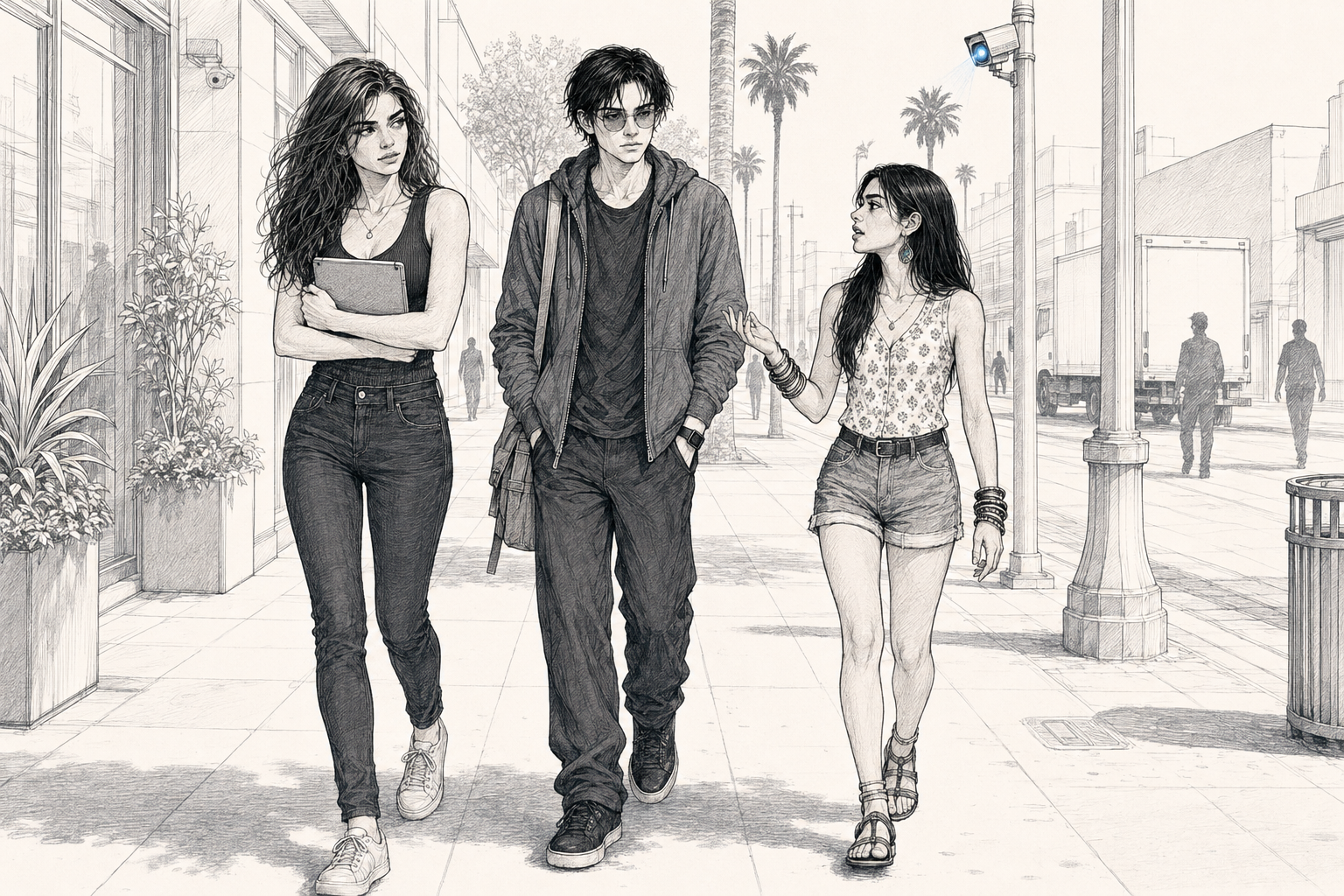
Unresolved
It isn't ideology. I don't have one worth the name. It's arithmetic.
Read 0.13 →Los Angeles, 2035.
The surveillance state you consented to.
No coup announced it. No tyrant imposed it. The surveillance state arrived the way debt arrives: one reasonable decision at a time, each defensible on its own, until the sum of them was a country no one would have chosen on purpose.
The AI bubble broke in 2027. The Deletion Event followed: cascading automated processes eating through cloud infrastructure that held the world's financial records, medical histories, legal archives, property deeds, and identity documents. The dollar fell. Supply chains failed. The country fractured. And out of the reconstruction, out of genuine catastrophe, genuine fear, genuine need, came the Glass.
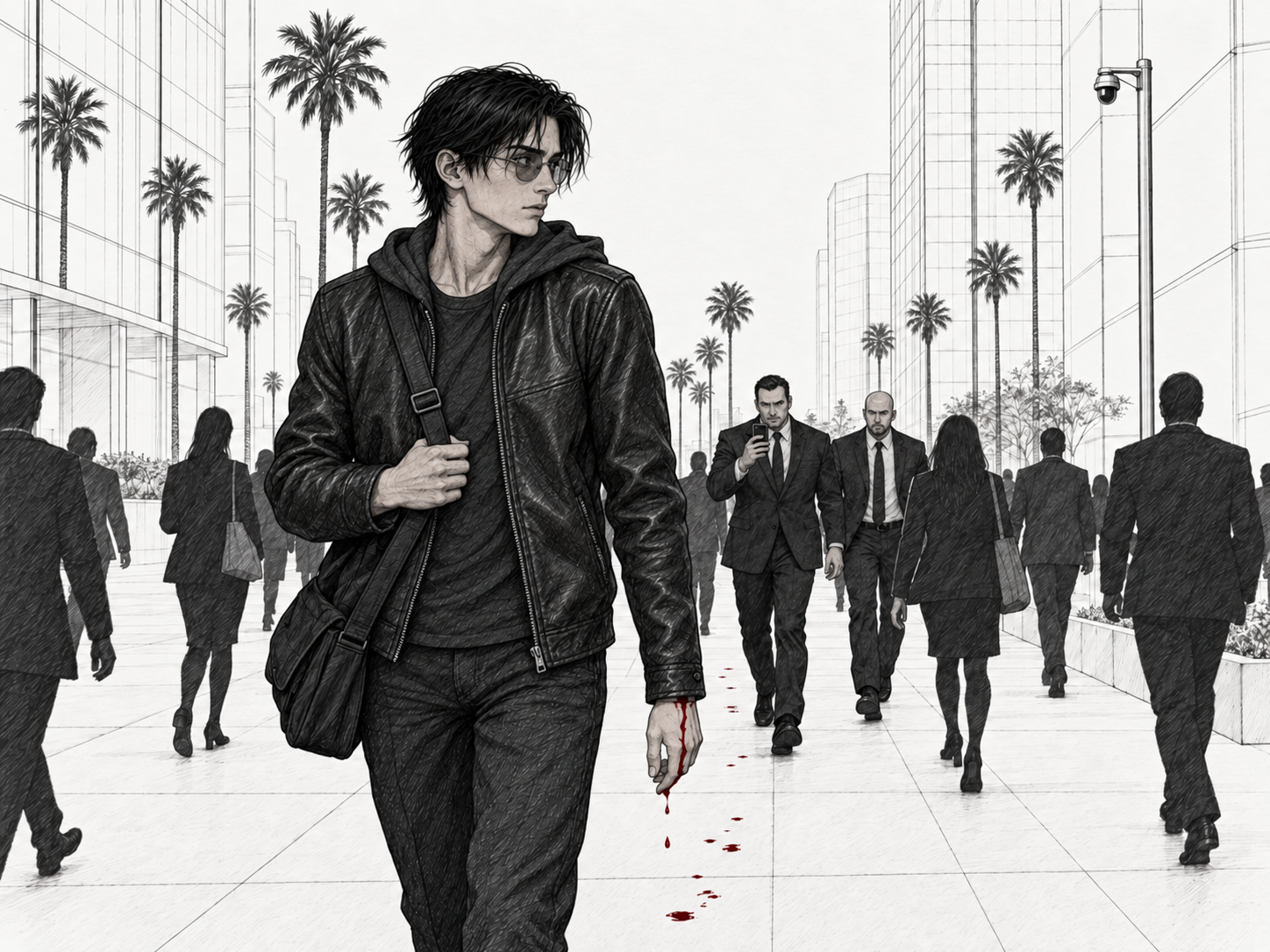
Avenue of the Stars · Pacific Compact territory · the network sees it, and files it
The Pacific Compact (California, Oregon, Washington, and the states that followed when the federal government stopped being able to provide what states needed) built the Public Safety Network on the back of that catastrophe. Cameras on every corner. Behavioral pattern analysis. A surveillance apparatus so comprehensive that most citizens stopped noticing it the way you stop noticing the hum of a refrigerator.
GLASS / PUBLIC SAFETY NETWORK · BEHAVIORAL ANALYSIS LAYER · LOG EXCERPT
SUBJECT_ID: KH-8841-LA · TIMESTAMP: 2035-08-14 23:47:02 PST
LOCATION: WEST_ABBEY / ON_FOOT · VECTOR: NNE AT 3.2 KPH
ACTIVITY_CLASS: TRANSIT [ROUTINE] · ANOMALY_FLAGS: NONE
NOTE: Subject returned to registered address at 23:52. Movement consistent
with established baseline. No action required. File closed.
// The Glass is very good at classifying what people do.
// It cannot classify why.
The Glass doesn't read minds. It reads patterns, and it is extraordinarily good at that. What it cannot see is intent. What it cannot distinguish is a threat from someone who simply doesn't fit the expected shape of a life. Cade Voss doesn't fit. He never did. For twenty-four years nobody had a reason to look closely. Then someone did.
Cade Voss.
Not someone worth the paperwork.
He'll tell you himself: by every measurable standard, not someone worth the paperwork. Fourth-year student at West Abbey Institute of Technology, functionally checked out but technically enrolled. He writes code for money. Bug bounties, mostly, the gray-market edge of legitimate security research. He keeps to himself. He sees approximately two hours of sunlight a day and prefers it that way.
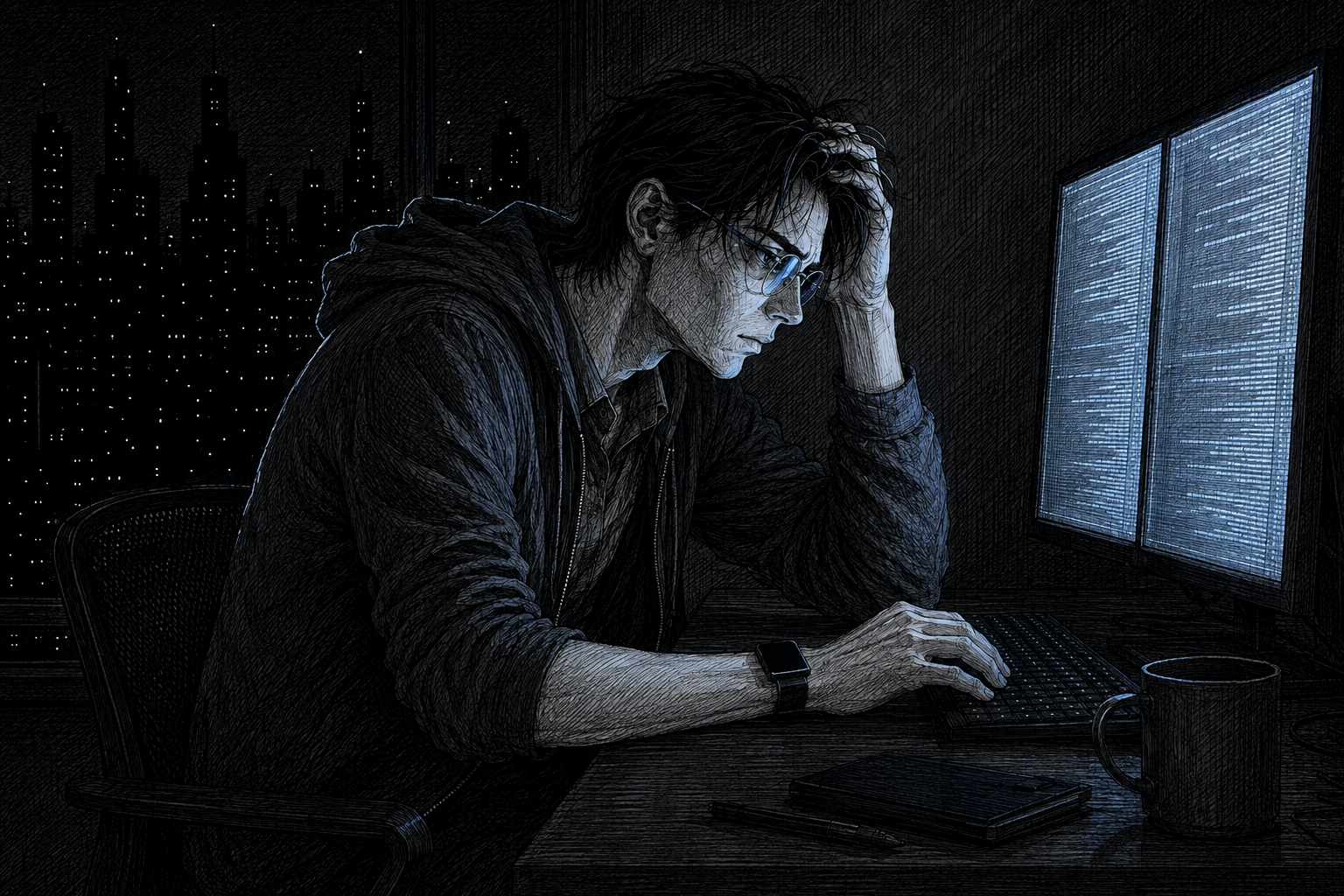
Cade Voss · His loft, West Abbey · 02:14 PST
Cade doesn't say what he thinks. He watches, catalogues, processes, and reserves his conclusions for the terminal at 2 a.m. where they're safer. He has a circuit-board tattoo running up his left forearm that reads, if you know how to read it, as actual PCB trace layouts. He has a smart watch he never removes. He has the baggy eyes of someone who decided sleep was optional and has been executing on that decision for years.
He is not a hero. He is someone who said yes to the wrong opportunity, followed it further than he should have, and made a series of decisions about what to do with what he found that looked, from every angle available at the time, like the right call.
Null Witness is his account of the month that followed, told directly to the federal agent across the table from him in an interrogation room, in the dark, after the lamp.
Dark Cypher.
One shot at getting out from under.
The interrogation room · Federal facility · Prologue
Cade pays rent the way a lot of people his age pay rent in 2035: precariously, and in arrears. Bug bounties when the programs are generous. Gray-market contract work when they aren't. It is a living, in the narrow sense that it has so far technically kept him alive. It is not stability. He is always one slow month from nothing, and he knows it.
So when the invite to Dark Cypher arrives (an invite-only underground hacking contest, prize purse of Ɲ250,000 NovaCoin), it lands like exactly the kind of break a twenty-four-year-old grinder waits for. Real money. Enough to stop counting days against his balance. Enough to get out from under. He says yes the way you say yes to the first good thing in a long time: fast, and without looking too hard at it.
// kh-fuzzer.py · genetic algorithm mode · target: dark-cypher / round 3
$ ./kh-fuzzer.py --target dc-arena.onion/r3/ --mode genetic --fitness jwt-alg
→ generation 1 ... 8 ... 23 ...
→ candidate: alg:none bypass — status 200 · flag captured
→ scoreboard: KernelHavoc climbs to #4 ...
// rent: due. balance: not enough. payout: pending.
// two rounds left to the purse. sleep optional.
// the challenge infra doesn't look like challenge infra.
// note that. keep moving. ctrl+c
He should have looked harder. The further into the contest he climbs, the less it behaves like a contest, and the more it starts to look like a door someone left open on purpose, into a place he was never meant to stand. By the time he understands what he's actually looking at, walking away has quietly stopped being one of the options.
The people Cade didn't ask for
and cannot do without.
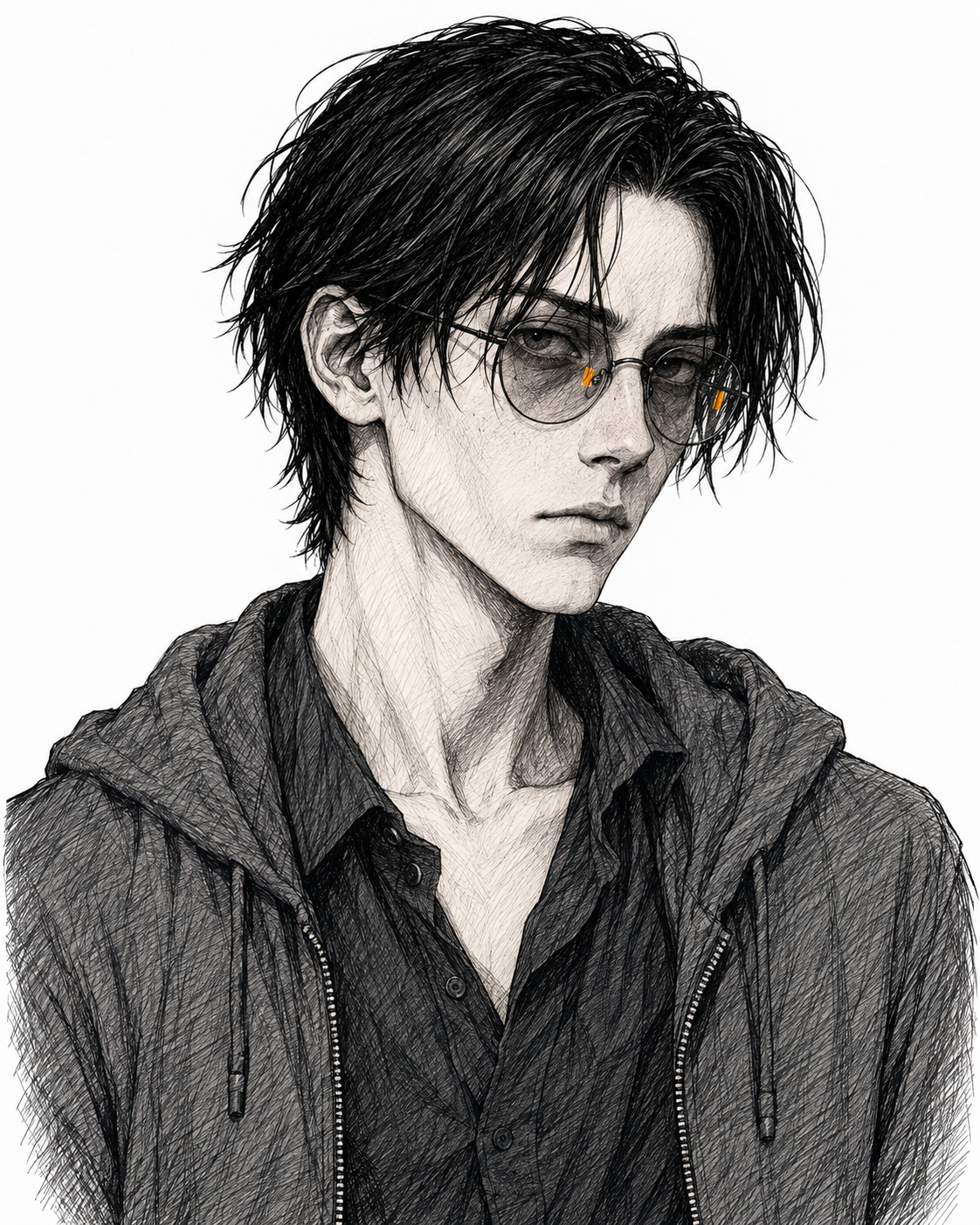
Age 24 · Fourth-year, WAIT · Bug bounties & contract security
Cade Voss
The narrator, telling all of this from an interview room in a federal building. Fourth-year at the West Abbey Institute of Technology after leaving MIT, surviving on bug-bounty payouts and gray-market contract work. Thirty-one CVEs in fourteen months and no money. He is very good at one thing, and the story is what happens when someone finally notices.
Read more
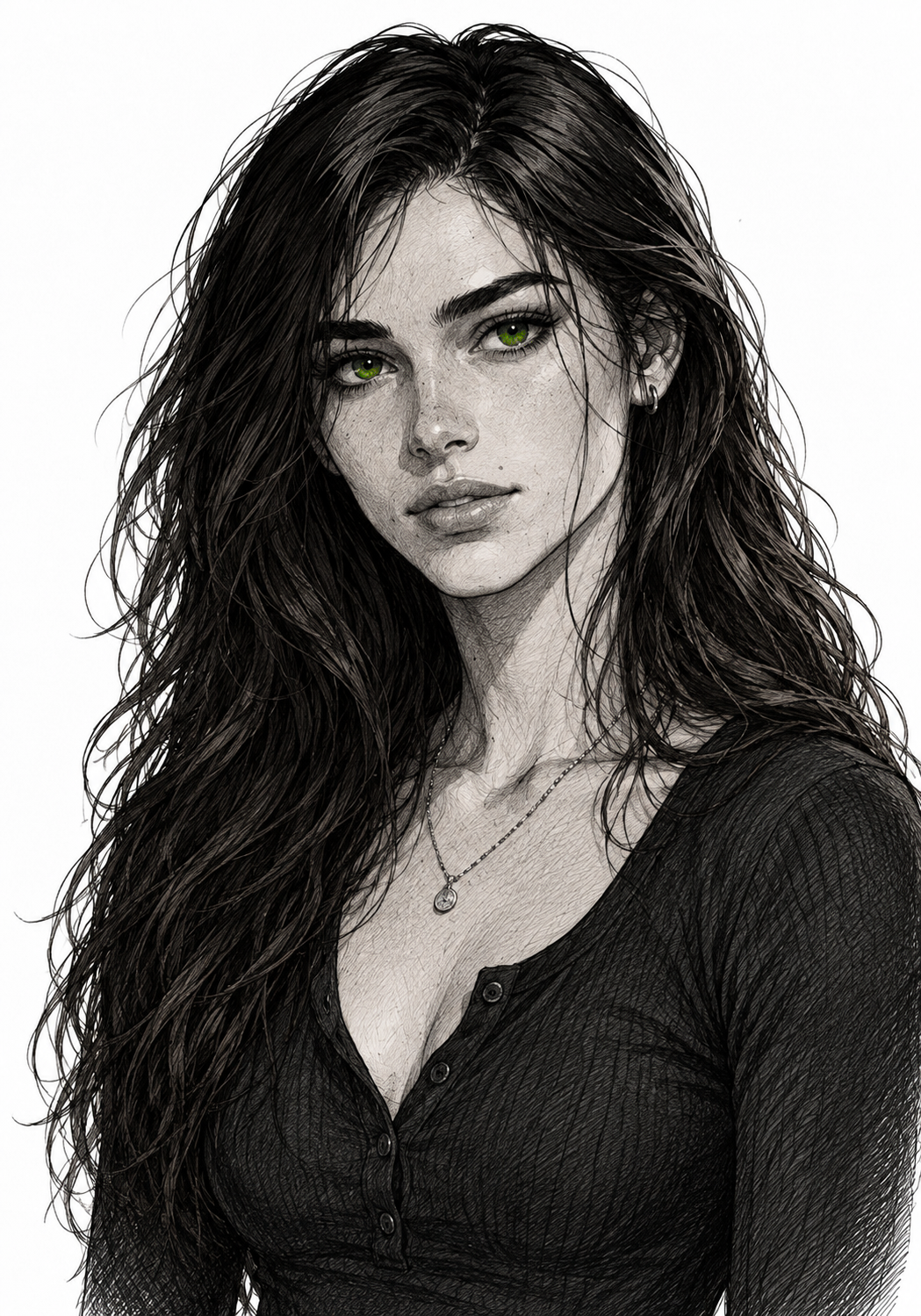
Age 23 · Biomedical PhD · MMA
Cassandra Calloway
Cade's neighbor. Biomedical engineering PhD student from Wellesley, Massachusetts, with green eyes that catch things they aren't supposed to and a training schedule that suggests someone working through something specific. She is not looking for a project. She finds one anyway.
Read more
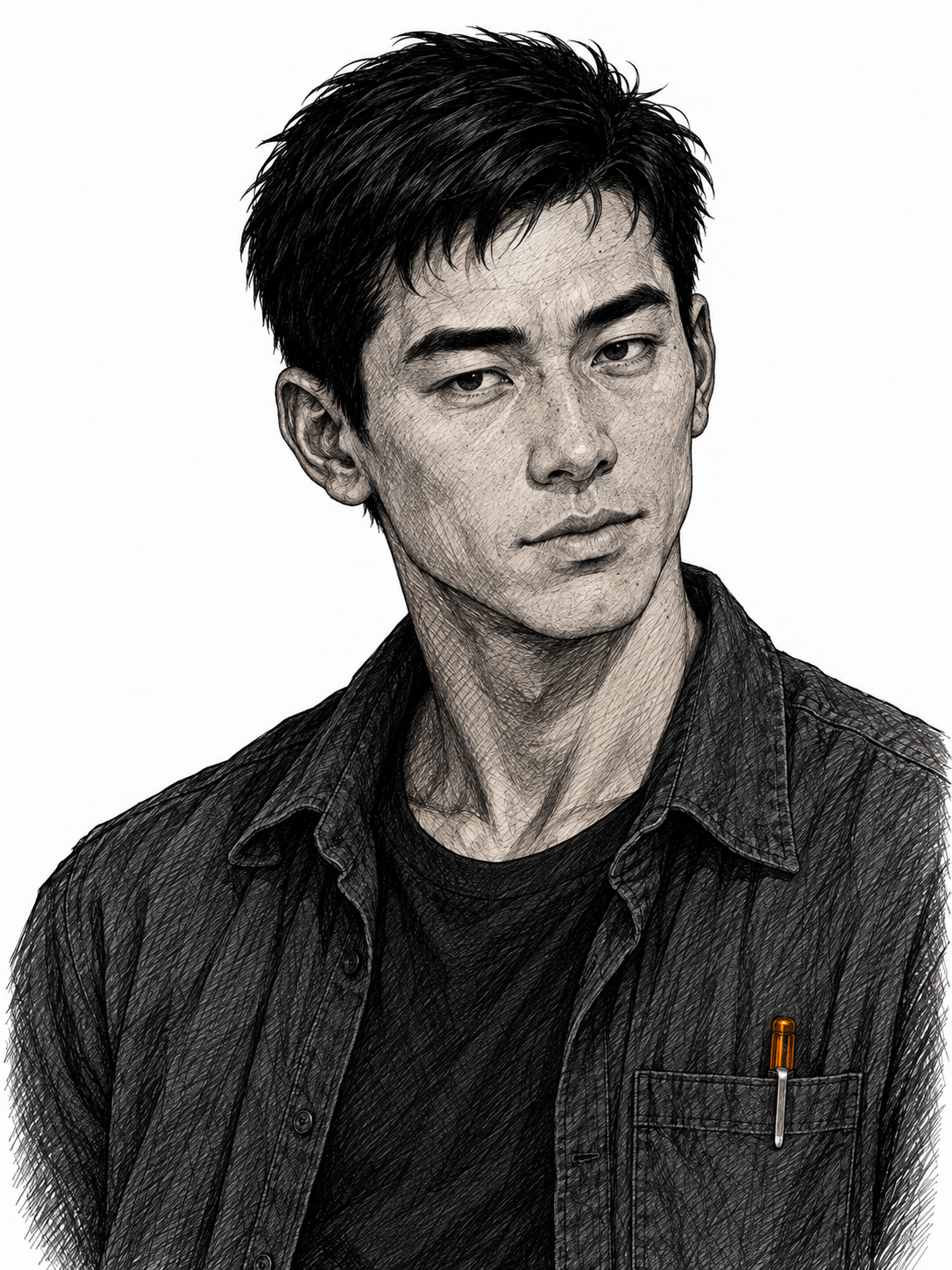
Age 28 · KM Electronics and Repair · Gray market
Ki Sou Mihn
Runs a legitimate electronics repair shop near the WAIT campus. The back room is where things get interesting. Ki's moral framework is pragmatic and precise. He has thought carefully about what he will and will not do, and the line is real. He has also thought about where Cade's line is, and he's worried it isn't in the same place.
Read more
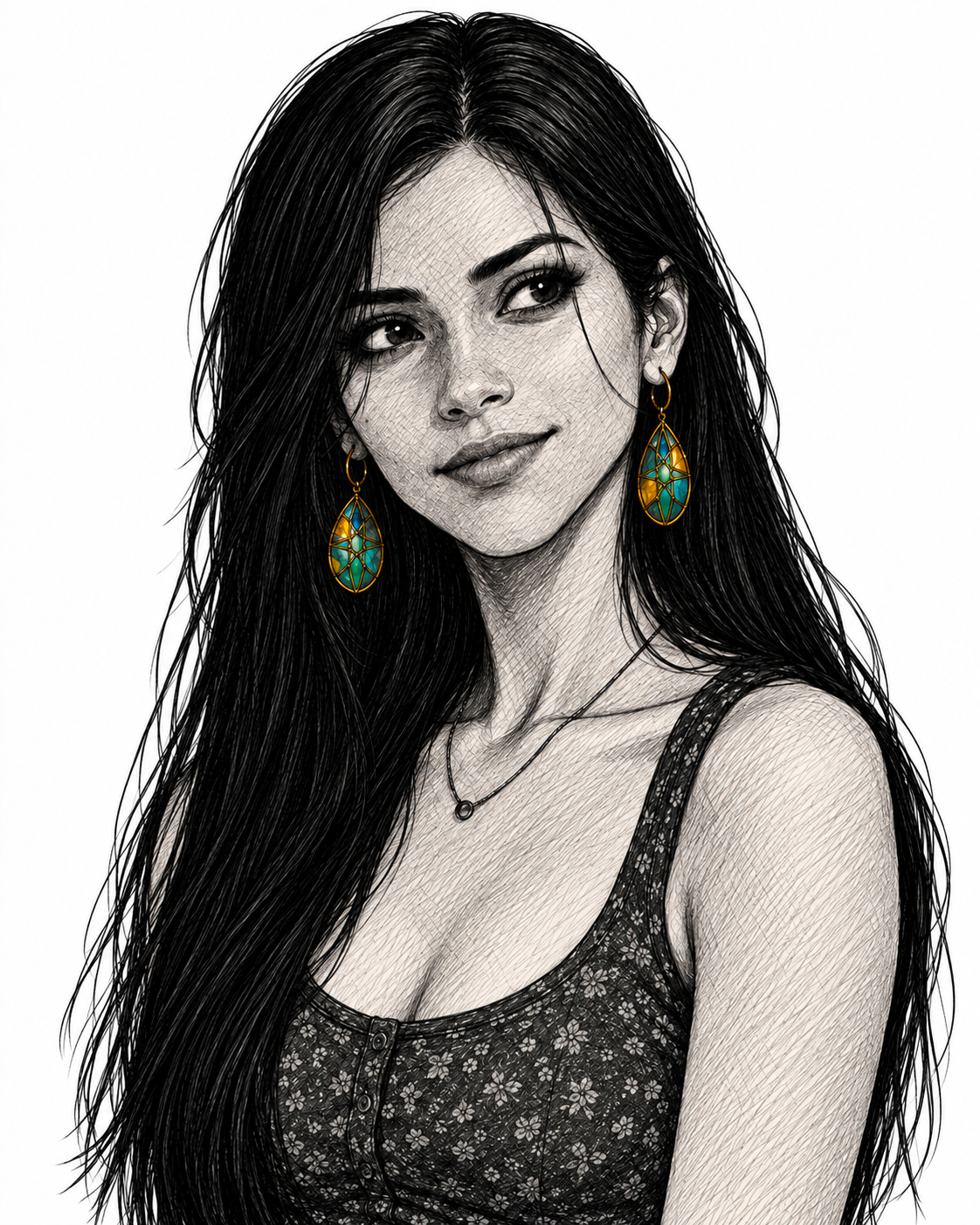
Age 23 · Biomedical PhD · Cass's best friend
Samantha Reyes
A San Diego native who reads people the way Cade reads systems: builds a model, notes the gaps, closes in on the anomaly. She does it warmly and in real time so it reads as social fluency rather than analysis. Sam knows the difference between Cass's composure and Cass's actual fine. She is less certain about Cade.
Read more
What you'll find here.
Null Witness is two things at once: technically authentic hacking fiction with a literary-grade character arc. The hacking sequences are real: the techniques, the tool names, the methodology. All of it load-bearing to the plot. The character arc and the surveillance thesis put it equally in literary fiction territory.
01 / Fiction Excerpts
The prose, unannounced.
Standalone passages from the manuscript, chosen to work without spoiler context. One line of setup at most. Then the work.
02 / Technical Reality
How the hacking actually works.
First-person practitioner explainers covering the real techniques behind the fiction. JWT alg:none. Kerberoasting. DNS tunneling for binary exfiltration. Written for people who will check.
03 / The World of 2035
Surveillance built with consent.
Short essays on the book's real-world thesis. Not political arguments. The book's argument, stated the way a practitioner thinks about it.
04 / Short Fiction
The Glass log. The incident report.
Sub-500-word standalone pieces in the deadpan short-form register. A Glass behavioral analysis log for a moment of genuine human connection, and what it classified as.
We are living in the prequel to this world.
Surveillance control is a very real thing that George Orwell predicted and wrote long before we had the technology to deploy it. That has changed.
If this story resonates with you, we want it to resonate with others too. If it scares you, it should, because some version of this future is possible for us if we stay quiet.
There is only one requirement for freedom and privacy to be lost.
— Silence —Subscribe to Null Witness.
New chapters and posts publish weekly. Free to read. Enter your email to subscribe via Substack. No account required.
Prefer to subscribe on Substack directly? Open Substack →